




Compression Boots for Recovery: Do They Really Work ?
If you've spent any time in a gym, or physical therapy clinic lately, you've probably seen them: those futuristic-looking inflatable leg sleeves that make you look like you're about to blast off to space. Compression boots (also called pneumatic compression devices) have become one of the hottest recovery tools in fitness and sports, with everyone from weekend warriors to elite athletes swearing by them. But do they actually work, or are they just an expensive placebo?
Let's dive into what the science says about using compression boots for recovery and long-term performance.
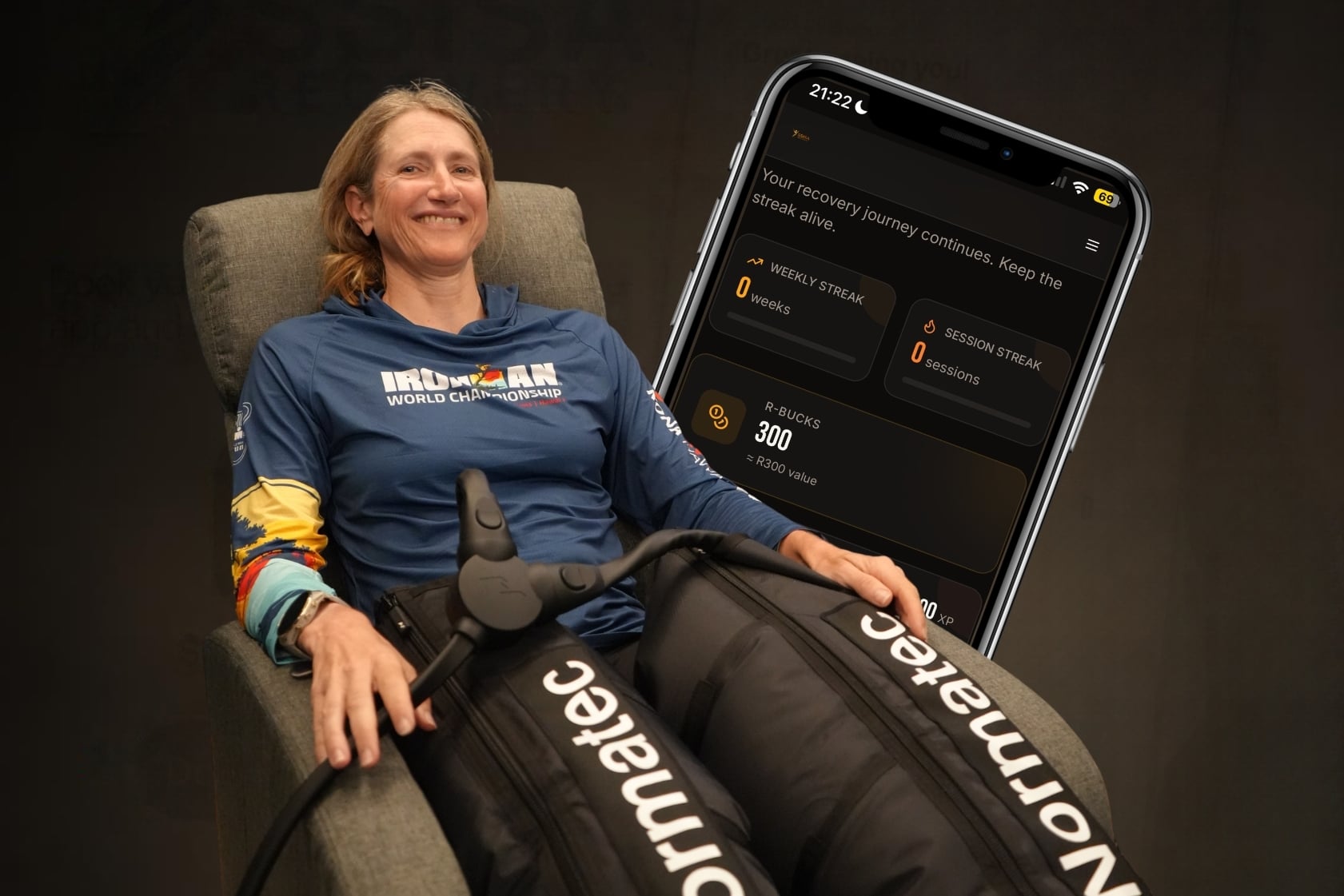
What Are Compression Boots and How Do They Work?
Compression boots use intermittent pneumatic compression (IPC) to squeeze your legs in a rhythmic, wave-like pattern. Think of it like a massage that moves from your feet up toward your hips, pushing blood and lymphatic fluid back toward your heart. The idea is that this enhanced circulation helps flush out metabolic waste products like lactate, reduces inflammation, and speeds up the delivery of nutrients to tired muscles.
Most sessions last anywhere from 20 to 60 minutes, and the boots typically inflate and deflate in cycles, creating that signature "squeeze and release" sensation. It's relaxing, feels great after a hard workout, and has become a staple recovery method in many training facilities
The Evidence: What Does Research Tell Us?
Reducing Muscle Soreness
One of the biggest reasons people use compression boots is to combat delayed onset muscle soreness (DOMS) - that achy, stiff feeling you get a day or two after a tough workout. The good news? There's solid evidence that compression boots can help.
A comprehensive 2024 meta-analysis looked at multiple studies on lower-limb pneumatic compression and found moderate-to-large effects on reducing muscle soreness [1]. When researchers examined the data across different studies, compression boots consistently helped athletes feel less sore compared to passive recovery (just sitting around doing nothing).
Even more impressive, a 2017 study on resistance-trained men found that using external pneumatic compression after heavy squat sessions significantly reduced muscle soreness over several days [4]. The researchers measured pressure-to-pain threshold (i.e., how much pressure it took before muscles felt painful) and found that the compression group maintained better pain thresholds throughout recovery, while the control group experienced significantly greater soreness on days 3 through 6 after exercise.
Clearing Lactate Faster
Another popular claim is that compression boots help clear lactate from your blood faster after intense exercise. Lactate buildup is associated with that burning sensation during hard efforts and can contribute to fatigue.
Research supports this benefit. A 2013 study compared intermittent pneumatic compression to passive recovery after high-intensity Wingate cycling tests and found that the compression device reduced blood lactate concentrations more effectively than just resting [3]. This suggests that the enhanced circulation from the boots really does help move metabolic byproducts out of your muscles more quickly.
Improving Flexibility and Reducing Muscle Damage Markers
Beyond just feeling better, compression boots may actually help your muscles function better during recovery. That same 2017 resistance training study found that the control group experienced a significant decrease in flexibility (a 16.2% increase in knee joint angle, meaning they couldn't bend as well) on day 3 after heavy squats, while the compression group maintained their flexibility [4].
At the molecular level, the compression group also showed reduced markers of muscle damage and oxidative stress. Specifically, they had 16.2% lower levels of 4-hydroxynonenal (a marker of oxidative stress) compared to the control group's 11.8% increase [4]. These aren't just subjective feelings - there are real physiological changes happening.
The Performance Question: Does It Help You Train Harder?
Here's where things get a bit more nuanced. While compression boots clearly help with soreness and subjective recovery, the evidence for improved actual performance is mixed.
A 2022 systematic review and meta-analysis on pressotherapy (which includes pneumatic compression) found that while these devices effectively reduced DOMS, the effects on performance recovery were less consistent [5]. Some studies showed benefits for strength and power recovery, while others found no significant improvements in subsequent exercise performance.
This doesn't mean compression boots are useless for performance. It just means that feeling better doesn't always translate directly into measurable performance gains in the short term. However, if you're training multiple times per day or competing in back-to-back events, anything that helps you feel fresher and reduces soreness could indirectly support better performance by allowing you to train more consistently.
It's Not Just Placebo
One important question researchers have asked is whether compression boots work simply because people believe they work (the placebo effect). A 2022 study specifically tested this by comparing real compression to sham (fake) compression and found that the benefits were associated with enhanced blood flow, not just placebo [2]. The improvements in recovery were real and measurable, tied to actual physiological changes in circulation.
The Bottom Line: Should You Use Compression Boots?
Based on the current evidence, compression boots are a legitimate recovery tool, especially if your main goals are:
- Reducing muscle soreness after hard training sessions
- Speeding up the clearance of metabolic waste like lactate
- Maintaining flexibility during recovery periods
- Feeling fresher between training sessions or competitions
They're particularly useful for athletes who train frequently, compete in multi-day events, or do high-volume resistance training. The 20-60 minutes you spend in the boots can genuinely help your muscles recover faster and feel better.
That said, compression boots aren't magic. They won't replace proper sleep, nutrition, hydration, or smart training programming. Think of them as one tool in your recovery toolkit (helpful, but not essential). If you have access to compression boots at your gym or can afford a personal set, they're worth using. But if you're on a budget, prioritizing the basics (sleep, food, stress management) will give you more bang for your buck.
The science is clear: compression boots do more than just feel good. They create real physiological changes that support recovery, reduce soreness, and help you bounce back faster from tough workouts. Whether you're an elite athlete or a dedicated fitness enthusiast, they're a recovery method backed by solid evidence.
FAQs (Frequently Asked Questions)
How to get rid of sore legs?
Why are my muscles stiff after exercise ?
How to get rid of DOMS ?
Muscle recovery after a race ?
How to speed up recovery of muscles ?
Best post run recovery option ?
Best recovery for painful muscles in legs and feet ?
What is the quickest method to recover from a marathon?
References
[1] F. F. Maia, F. Y. Nakamura, H. Sarmento, R. Marcelino, and J. N. Ribeiro, “Effects of lower-limb intermittent pneumatic compression on sports recovery: A systematic review and meta-analysis,” *Biology of Sport*, Jan. 2024, [doi: 10.5114/biolsport.2024.133665](https://doi.org/10.5114/biolsport.2024.133665).
[2] S. F. O’Riordan, D. Bishop, S. L. Halson, and J. R. Broatch, “Compression-induced improvements in post-exercise recovery are associated with enhanced blood flow, and are not due to the placebo effect,” *Dental science reports*, vol. 12, no. 1, Oct. 2022, [doi: 10.1038/s41598-022-21029-2](https://doi.org/10.1038/s41598-022-21029-2).
[3] E. Hanson, K. Stetter, R. Li, and A. Thomas, “An Intermittent Pneumatic Compression Device Reduces Blood Lactate Concentrations More Effectively Than Passive Recovery after Wingate Testing,” *Journal of Athletic Enhancement*, vol. 2013, no. 03, July 2013, [doi: 10.4172/2324-9080.1000115](https://doi.org/10.4172/2324-9080.1000115).
[4] C. T. Haun *et al.*, “Does external pneumatic compression treatment between bouts of overreaching resistance training sessions exert differential effects on molecular signaling and performance-related variables compared to passive recovery? An exploratory study.,” *PLOS ONE*, vol. 12, no. 6, June 2017, [doi: 10.1371/JOURNAL.PONE.0180429](https://doi.org/10.1371/JOURNAL.PONE.0180429).
[5] P. Wisniowski *et al.*, “The Effect of Pressotherapy on Performance and Recovery in the Management of Delayed Onset Muscle Soreness: A Systematic Review and Meta-Analysis,” *Stomatology*, vol. 11, no. 8, pp. 2077–2077, Apr. 2022, [doi: 10.3390/jcm11082077](https://doi.org/10.3390/jcm11082077).





